 Random files - 1992 Random files - 1992 |
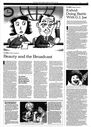
The New York Times — Kidvid: Doing Battle With G.I. Joe50 viewsArticle from The New York Times dated January 26, 1992, by Peggy Charren (Television section). The piece critiques toy-based children’s programming such as G.I. Joe, contrasting it with educational and socially responsible shows. Degrassi High is mentioned as a positive example of children’s television that tackled real-life adolescent issues, standing apart from the commercialized “kidvid” landscape.
|
|
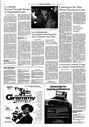
The New York Times — Listening to the Way Movie Characters Look29 viewsArticle from The New York Times dated February 25, 1992 (Word and Image section). The piece discusses the growing use of Descriptive Video Service (DVS), which provides narration of actions, gestures, and visual details for visually impaired audiences. Degrassi High is cited as one of the programs made available with DVS, demonstrating the show’s accessibility and its continued presence on public television in the early 1990s.
|
|
|
|
 Last additions - 1992 Last additions - 1992 |
The New York Times — Listening to the Way Movie Characters Look29 viewsArticle from The New York Times dated February 25, 1992 (Word and Image section). The piece discusses the growing use of Descriptive Video Service (DVS), which provides narration of actions, gestures, and visual details for visually impaired audiences. Degrassi High is cited as one of the programs made available with DVS, demonstrating the show’s accessibility and its continued presence on public television in the early 1990s.Aug 14, 2025
|
|
The New York Times — Kidvid: Doing Battle With G.I. Joe50 viewsArticle from The New York Times dated January 26, 1992, by Peggy Charren (Television section). The piece critiques toy-based children’s programming such as G.I. Joe, contrasting it with educational and socially responsible shows. Degrassi High is mentioned as a positive example of children’s television that tackled real-life adolescent issues, standing apart from the commercialized “kidvid” landscape.Aug 14, 2025
|
|
|
|



