|

 Random files - 1991 Random files - 1991 |
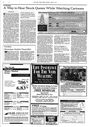
The New York Times — A Way to Hear Stock Quotes While Watching Cartoons29 viewsArticle from The New York Times dated April 14, 1991 (Technology section), by Josh Kurtz. The piece explains how television stations were using the Secondary Audio Programming (SAP) channel for alternate audio feeds, including stock quotes, foreign-language dubs, and accessibility narration. In the Tech Notes sidebar (Secondary Audio’s Visual Side), Degrassi High is mentioned as one of the programs included in SAP services, highlighting its adaptation for a wider audience.
|
|
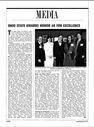
Ohio State Awards Honor 68 for Excellence – Degrassi High Mention 1 views“Ohio State Awards Honor 68 for Excellence,” published in the April 22, 1991 issue of Broadcasting. The article lists Degrassi High, produced by Playing With Time Inc. and presented through WGBH-TV Boston, among the winners in the Performing Arts and Humanities category of the 1991 Ohio State Awards.
|
|
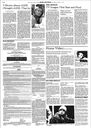
The New York Times — 3 Shows About AIDS (Straight AIDS, That Is) [Continuation]21 viewsContinuation of the New York Times article from April 11, 1991, by John J. O’Connor (The Arts section). The full review discusses three television specials tackling the AIDS crisis. The Degrassi High episode “Red Blood” is highlighted in the main portion of the article, which examined how the series approached the subject with honesty and realism. This continuation page expands on the broader coverage of television portrayals of AIDS in the late 1980s and early 1990s.
|
|
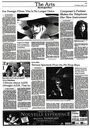
The New York Times — 3 Shows About AIDS (Straight AIDS, That Is)43 viewsArticle from The New York Times dated April 11, 1991, by John J. O’Connor (The Arts section). The review examines three television programs dealing with AIDS and its representation in media. Degrassi High is highlighted through the episode “Red Blood,” which addressed AIDS awareness directly, featuring Michelle (Maureen McKay) and BLT (Dayo Ade). The article discusses how the series confronted the topic with honesty and realism, aligning with its reputation for tackling difficult adolescent issues.
|
|
 Last additions - 1991 Last additions - 1991 |
Ohio State Awards Honor 68 for Excellence – Degrassi High Mention 1 views“Ohio State Awards Honor 68 for Excellence,” published in the April 22, 1991 issue of Broadcasting. The article lists Degrassi High, produced by Playing With Time Inc. and presented through WGBH-TV Boston, among the winners in the Performing Arts and Humanities category of the 1991 Ohio State Awards.Aug 14, 2026
|
|
The New York Times — A Way to Hear Stock Quotes While Watching Cartoons29 viewsArticle from The New York Times dated April 14, 1991 (Technology section), by Josh Kurtz. The piece explains how television stations were using the Secondary Audio Programming (SAP) channel for alternate audio feeds, including stock quotes, foreign-language dubs, and accessibility narration. In the Tech Notes sidebar (Secondary Audio’s Visual Side), Degrassi High is mentioned as one of the programs included in SAP services, highlighting its adaptation for a wider audience.Aug 14, 2025
|
|
The New York Times — 3 Shows About AIDS (Straight AIDS, That Is) [Continuation]21 viewsContinuation of the New York Times article from April 11, 1991, by John J. O’Connor (The Arts section). The full review discusses three television specials tackling the AIDS crisis. The Degrassi High episode “Red Blood” is highlighted in the main portion of the article, which examined how the series approached the subject with honesty and realism. This continuation page expands on the broader coverage of television portrayals of AIDS in the late 1980s and early 1990s.Aug 14, 2025
|
|
The New York Times — 3 Shows About AIDS (Straight AIDS, That Is)43 viewsArticle from The New York Times dated April 11, 1991, by John J. O’Connor (The Arts section). The review examines three television programs dealing with AIDS and its representation in media. Degrassi High is highlighted through the episode “Red Blood,” which addressed AIDS awareness directly, featuring Michelle (Maureen McKay) and BLT (Dayo Ade). The article discusses how the series confronted the topic with honesty and realism, aligning with its reputation for tackling difficult adolescent issues.Aug 14, 2025
|
|
|

|
|