 Image search results - "john j. o’connor" |
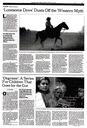
The New York Times — ‘Degrassi’: A Series For Children That Goes for the Gut41 viewsArticle from The New York Times dated February 5, 1989, by John J. O’Connor. The piece highlights Degrassi Junior High on PBS, noting its raw and realistic approach to portraying the harshest aspects of adolescence. The article emphasizes the show’s willingness to tackle topics like peer pressure, relationships, teen pregnancy, and drug use in a way that distinguished it from typical children’s programming of the time.
|
|

The New York Times — ‘Degrassi’: Gutsy TV (Continuation)59 viewsContinuation of the New York Times article from February 5, 1989, by John J. O’Connor. This follow-up section expands on how Degrassi Junior High cast members are encouraged to make dialogue realistic, while the series continues to tackle difficult issues facing teenagers such as pregnancy, drug abuse, and peer pressure. The article emphasizes the show’s authenticity and its value in reflecting adolescent struggles in ways few other children’s series had attempted.
|
|

The New York Times — On TV, Less Separate, More Equal40 viewsArticle from The New York Times dated April 29, 1990, by John J. O’Connor (Arts & Leisure section). The piece examines how portrayals of Black performers on television were evolving in the late 1980s and early 1990s, highlighting shows such as In Living Color, Brewster Place, and A Different World. Degrassi High is specifically noted with a photograph featuring BLT (Dayo Ade) and Michelle (Maureen McKay), illustrating the inclusion of diverse characters in youth-oriented programming. The continuation of the article appears in the Television section (page 35), though the Degrassi reference is only made in the first part.
|
|
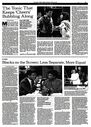
The New York Times — On TV, Less Separate, More Equal54 viewsArticle from The New York Times dated April 29, 1990, by John J. O’Connor (Arts & Leisure section). The piece examines how portrayals of Black performers on television were evolving in the late 1980s and early 1990s, highlighting shows such as In Living Color, Brewster Place, and A Different World. Degrassi High is specifically noted with a photograph featuring BLT (Dayo Ade) and Michelle (Maureen McKay), illustrating the inclusion of diverse characters in youth-oriented programming. The continuation of the article appears in the Television section (page 35), though the Degrassi reference is only made in the first part.
|
|
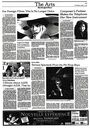
The New York Times — 3 Shows About AIDS (Straight AIDS, That Is)72 viewsArticle from The New York Times dated April 11, 1991, by John J. O’Connor (The Arts section). The review examines three television programs dealing with AIDS and its representation in media. Degrassi High is highlighted through the episode “Red Blood,” which addressed AIDS awareness directly, featuring Michelle (Maureen McKay) and BLT (Dayo Ade). The article discusses how the series confronted the topic with honesty and realism, aligning with its reputation for tackling difficult adolescent issues.
|
|
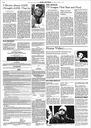
The New York Times — 3 Shows About AIDS (Straight AIDS, That Is) [Continuation]47 viewsContinuation of the New York Times article from April 11, 1991, by John J. O’Connor (The Arts section). The full review discusses three television specials tackling the AIDS crisis. The Degrassi High episode “Red Blood” is highlighted in the main portion of the article, which examined how the series approached the subject with honesty and realism. This continuation page expands on the broader coverage of television portrayals of AIDS in the late 1980s and early 1990s.
|
|
|
|
|
|



