 Image search results - "diversity on television" |
The Kingston Whig-Standard (Canada) – “Visible Minorities Missing from Canadian TV” Study Mentions Degrassi: The Next Generation54 viewsArticle published in The Kingston Whig-Standard on August 26, 2002, reporting on a Simon Fraser University study highlighting the lack of visible minorities in Canadian TV dramas. Degrassi: The Next Generation is cited as one of the programs reviewed in the research.
|
|
Fort McMurray Today – “Most TV Faces Still White” Study Mentions Degrassi: The Next Generation81 viewsArticle published in Fort McMurray Today on August 29, 2002, covering a study on the lack of visible minorities in Canadian TV dramas. Degrassi: The Next Generation is cited among the programs evaluated, highlighting industry concerns about representation and diversity in casting.
|
|

The New York Times — On TV, Less Separate, More Equal33 viewsArticle from The New York Times dated April 29, 1990, by John J. O’Connor (Arts & Leisure section). The piece examines how portrayals of Black performers on television were evolving in the late 1980s and early 1990s, highlighting shows such as In Living Color, Brewster Place, and A Different World. Degrassi High is specifically noted with a photograph featuring BLT (Dayo Ade) and Michelle (Maureen McKay), illustrating the inclusion of diverse characters in youth-oriented programming. The continuation of the article appears in the Television section (page 35), though the Degrassi reference is only made in the first part.
|
|
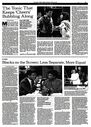
The New York Times — On TV, Less Separate, More Equal51 viewsArticle from The New York Times dated April 29, 1990, by John J. O’Connor (Arts & Leisure section). The piece examines how portrayals of Black performers on television were evolving in the late 1980s and early 1990s, highlighting shows such as In Living Color, Brewster Place, and A Different World. Degrassi High is specifically noted with a photograph featuring BLT (Dayo Ade) and Michelle (Maureen McKay), illustrating the inclusion of diverse characters in youth-oriented programming. The continuation of the article appears in the Television section (page 35), though the Degrassi reference is only made in the first part.
|
|
|
|



