 Image search results - "PBS" Image search results - "PBS" |
Degrassi Junior High (Series) – Guidance Review63 views4Brief review of Degrassi Junior High as an educational series featured in the “Guidance—General” section of School Library Journal, published in September 1987.
Mentions themes like peer pressure, family conflict, and adolescent relationships. Reviewed by Marian E. Karpisek of Salt Lake City School District.
|
|

Front of PBS Promo Mug – Channel 9/22 Logo49 viewsA rare promotional mug distributed by PBS in the late 1980s, featuring Degrassi Junior High alongside other iconic children’s programs such as Reading Rainbow, Mister Rogers' Neighborhood, Sesame Street, Square One TV, and 3-2-1 Contact. The reverse side shows the branding for PBS stations 9 and 22 — likely referring to WNET and WLIW in the New York broadcast area.
|
|

Back of PBS Promo Mug Featuring Degrassi Junior High and More48 viewsA rare promotional mug distributed by PBS in the late 1980s, featuring Degrassi Junior High alongside other iconic children’s programs such as Reading Rainbow, Mister Rogers' Neighborhood, Sesame Street, Square One TV, and 3-2-1 Contact. The reverse side shows the branding for PBS stations 9 and 22 — likely referring to WNET and WLIW in the New York broadcast area.
|
|
The New York Times — Public TV Tries to Reach Teen-agers49 viewsArticle from The New York Times dated August 11, 1987, by Fred M. Hechinger (Education section). Discusses how public television—especially PBS—was trying to attract teenage viewers, outlining programming strategies, challenges, and educational goals.
|
|
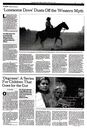
The New York Times — ‘Degrassi’: A Series For Children That Goes for the Gut33 viewsArticle from The New York Times dated February 5, 1989, by John J. O’Connor. The piece highlights Degrassi Junior High on PBS, noting its raw and realistic approach to portraying the harshest aspects of adolescence. The article emphasizes the show’s willingness to tackle topics like peer pressure, relationships, teen pregnancy, and drug use in a way that distinguished it from typical children’s programming of the time.
|
|

The New York Times — ‘Degrassi’: Gutsy TV (Continuation)49 viewsContinuation of the New York Times article from February 5, 1989, by John J. O’Connor. This follow-up section expands on how Degrassi Junior High cast members are encouraged to make dialogue realistic, while the series continues to tackle difficult issues facing teenagers such as pregnancy, drug abuse, and peer pressure. The article emphasizes the show’s authenticity and its value in reflecting adolescent struggles in ways few other children’s series had attempted.
|
|
The New York Times — Enhancing Television for the Visually Impaired57 viewsArticle from The New York Times dated January 27, 1990, about descriptive video services created to help the visually impaired enjoy television programming. The piece explains how narration can describe action, gestures, and scene changes to make shows more accessible. Degrassi Junior High is included among the programs adapted for this service, alongside PBS content and other educational shows.
|
|

The New York Times — On TV, Less Separate, More Equal31 viewsArticle from The New York Times dated April 29, 1990, by John J. O’Connor (Arts & Leisure section). The piece examines how portrayals of Black performers on television were evolving in the late 1980s and early 1990s, highlighting shows such as In Living Color, Brewster Place, and A Different World. Degrassi High is specifically noted with a photograph featuring BLT (Dayo Ade) and Michelle (Maureen McKay), illustrating the inclusion of diverse characters in youth-oriented programming. The continuation of the article appears in the Television section (page 35), though the Degrassi reference is only made in the first part.
|
|
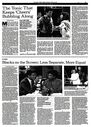
The New York Times — On TV, Less Separate, More Equal47 viewsArticle from The New York Times dated April 29, 1990, by John J. O’Connor (Arts & Leisure section). The piece examines how portrayals of Black performers on television were evolving in the late 1980s and early 1990s, highlighting shows such as In Living Color, Brewster Place, and A Different World. Degrassi High is specifically noted with a photograph featuring BLT (Dayo Ade) and Michelle (Maureen McKay), illustrating the inclusion of diverse characters in youth-oriented programming. The continuation of the article appears in the Television section (page 35), though the Degrassi reference is only made in the first part.
|
|
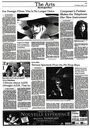
The New York Times — 3 Shows About AIDS (Straight AIDS, That Is)62 viewsArticle from The New York Times dated April 11, 1991, by John J. O’Connor (The Arts section). The review examines three television programs dealing with AIDS and its representation in media. Degrassi High is highlighted through the episode “Red Blood,” which addressed AIDS awareness directly, featuring Michelle (Maureen McKay) and BLT (Dayo Ade). The article discusses how the series confronted the topic with honesty and realism, aligning with its reputation for tackling difficult adolescent issues.
|
|
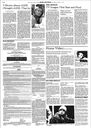
The New York Times — 3 Shows About AIDS (Straight AIDS, That Is) [Continuation]36 viewsContinuation of the New York Times article from April 11, 1991, by John J. O’Connor (The Arts section). The full review discusses three television specials tackling the AIDS crisis. The Degrassi High episode “Red Blood” is highlighted in the main portion of the article, which examined how the series approached the subject with honesty and realism. This continuation page expands on the broader coverage of television portrayals of AIDS in the late 1980s and early 1990s.
|
|
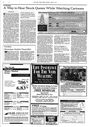
The New York Times — A Way to Hear Stock Quotes While Watching Cartoons49 viewsArticle from The New York Times dated April 14, 1991 (Technology section), by Josh Kurtz. The piece explains how television stations were using the Secondary Audio Programming (SAP) channel for alternate audio feeds, including stock quotes, foreign-language dubs, and accessibility narration. In the Tech Notes sidebar (Secondary Audio’s Visual Side), Degrassi High is mentioned as one of the programs included in SAP services, highlighting its adaptation for a wider audience.
|
|
The New York Times — Kidvid: Doing Battle With G.I. Joe50 viewsArticle from The New York Times dated January 26, 1992, by Peggy Charren (Television section). The piece critiques toy-based children’s programming such as G.I. Joe, contrasting it with educational and socially responsible shows. Degrassi High is mentioned as a positive example of children’s television that tackled real-life adolescent issues, standing apart from the commercialized “kidvid” landscape.
|
|
The New York Times — Listening to the Way Movie Characters Look29 viewsArticle from The New York Times dated February 25, 1992 (Word and Image section). The piece discusses the growing use of Descriptive Video Service (DVS), which provides narration of actions, gestures, and visual details for visually impaired audiences. Degrassi High is cited as one of the programs made available with DVS, demonstrating the show’s accessibility and its continued presence on public television in the early 1990s.
|
|
The New York Times — Arthur the Aardvark Accepts a Mission69 viewsArticle from The New York Times dated November 10, 1996, by Glenn Collins (Signoff section). The feature introduces Arthur, a new PBS animated series adapted from Marc Brown’s children’s books. The piece discusses Brown’s involvement, the show’s educational goals, and how it fits into PBS’s tradition of high-quality programming. Degrassi Junior High is referenced among other PBS titles that influenced the network’s children’s lineup.
|
|
School Library Journal — Degrassi Junior High Series Review46 viewsReview of the Degrassi Junior High series published in School Library Journal (Audiovisual Reviews section), September 1987. The reviewer highlights the show’s realism in portraying adolescent issues such as relationships, sex, smoking, parental limits, and peer influence, noting its accurate depiction of high school struggles in the 1980s. PBS broadcast was scheduled for September 1987.
|
|

Broadcasting Magazine — PBS Fall 1987 Lineup Features Degrassi Junior High33 viewsArticle “PBS shows its fall colors” from Broadcasting Magazine (Vol. 113, p.80, September 7, 1987) announcing the PBS 1987–88 season schedule. Degrassi Junior High is introduced as a 13-episode half-hour dramatic series tackling teen issues such as dating, drugs, puberty, and parental relationships. The series was scheduled to air Saturdays at 7 p.m. beginning September 19, 1987, with a second season planned for January 1988.
|
|
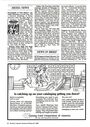
School Library Journal – Exit Stage Left Book Mention59 viewsArticle from School Library Journal dated February 1988, featuring Degrassi Junior High: Exit Stage Left by William Pasnak in its Media News section. The book, published by Scholastic for $2.50, was tied to the PBS television series and praised for its realistic look at teen life in the 1980s.
|
|
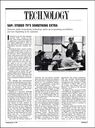
SAP: Stereo TV’s Something Extra – Degrassi High Mention – Page 7519 viewsPage 75 of “SAP: Stereo TV’s Something Extra” by Peter D. Lambert, published in the November 12, 1990 issue of Broadcasting. The article examines the growing use of Separate Audio Program (SAP) technology and WGBH’s Descriptive Video Service. Degrassi High is identified as one of the PBS programs receiving descriptive audio through DVS, beginning April 28, 1990.
|
|
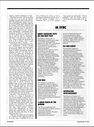
SAP: Stereo TV’s Something Extra – Page 76 (1990)20 viewsPage 76 and conclusion of “SAP: Stereo TV’s Something Extra” by Peter D. Lambert, published in the November 12, 1990 issue of Broadcasting. This page continues the discussion of SAP, descriptive video, multilingual television broadcasting, and emerging accessibility technology. It accompanies page 75, which identifies Degrassi High as one of the programs distributed with WGBH’s Descriptive Video Service.
|
|
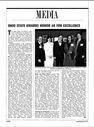
Ohio State Awards Honor 68 for Excellence – Degrassi High Mention 18 views“Ohio State Awards Honor 68 for Excellence,” published in the April 22, 1991 issue of Broadcasting. The article lists Degrassi High, produced by Playing With Time Inc. and presented through WGBH-TV Boston, among the winners in the Performing Arts and Humanities category of the 1991 Ohio State Awards.
|
|
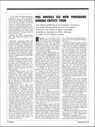
PBS Unveils Six New Programs During Critics’ Tour – Page 54 21 viewsPage 54 of “PBS Unveils Six New Programs During Critics’ Tour” by Steve Coe, published in the July 30, 1990 issue of Broadcasting. The article reports on new PBS programming and funding announcements made during the Television Critics Association press tour. The article continues on page 55, where Degrassi Junior High executive producer Kate Taylor is mentioned in connection with the new PBS series Where in the World Is Carmen Sandiego?
|
|
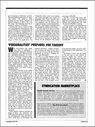
PBS Unveils Six New Programs During Critics’ Tour – Degrassi Junior High Mention – Page 5520 viewsPage 55 of “PBS Unveils Six New Programs During Critics’ Tour” by Steve Coe, published in the July 30, 1990 issue of Broadcasting. The article identifies Kate Taylor, executive producer of Degrassi Junior High, as executive producer of the upcoming PBS series Where in the World Is Carmen Sandiego? alongside Jay Rayvid.
|
|
|
|
|



